A live working session for educators · Saturday, August 29
This is not another webinar you half watch. You bring the proposal you already have, we open a real district RFP, and you see exactly where yours holds up and where it falls apart.
Save my seat — $100Saturday, August 29 · 10:00a to 12:00p CT · Live on Zoom
Replay included · All four resources yours at registration

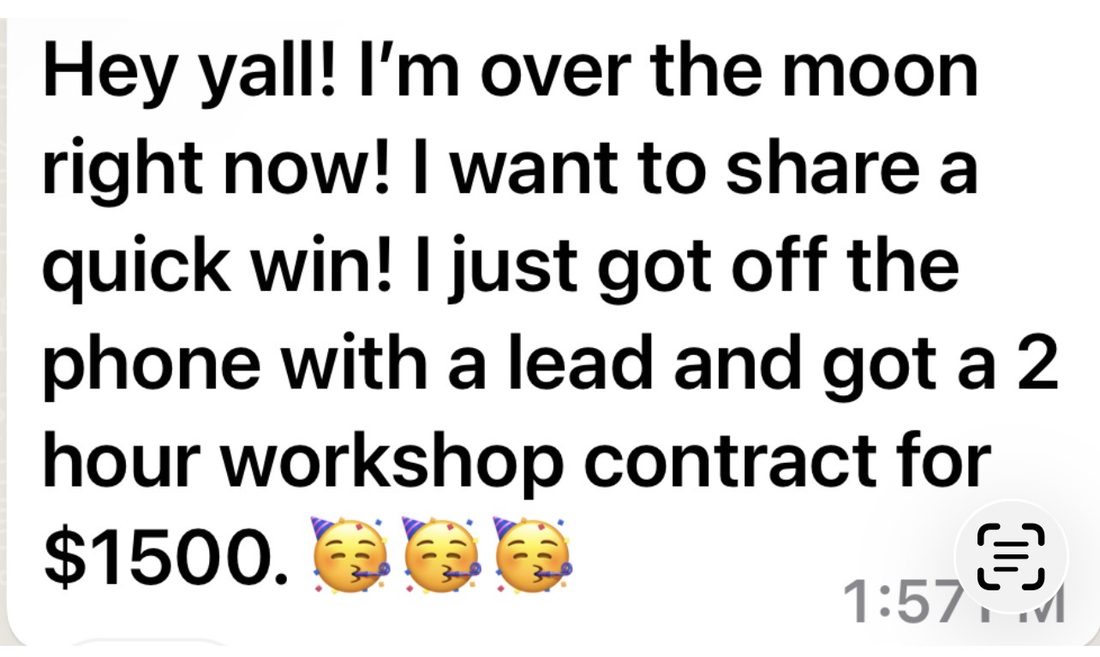
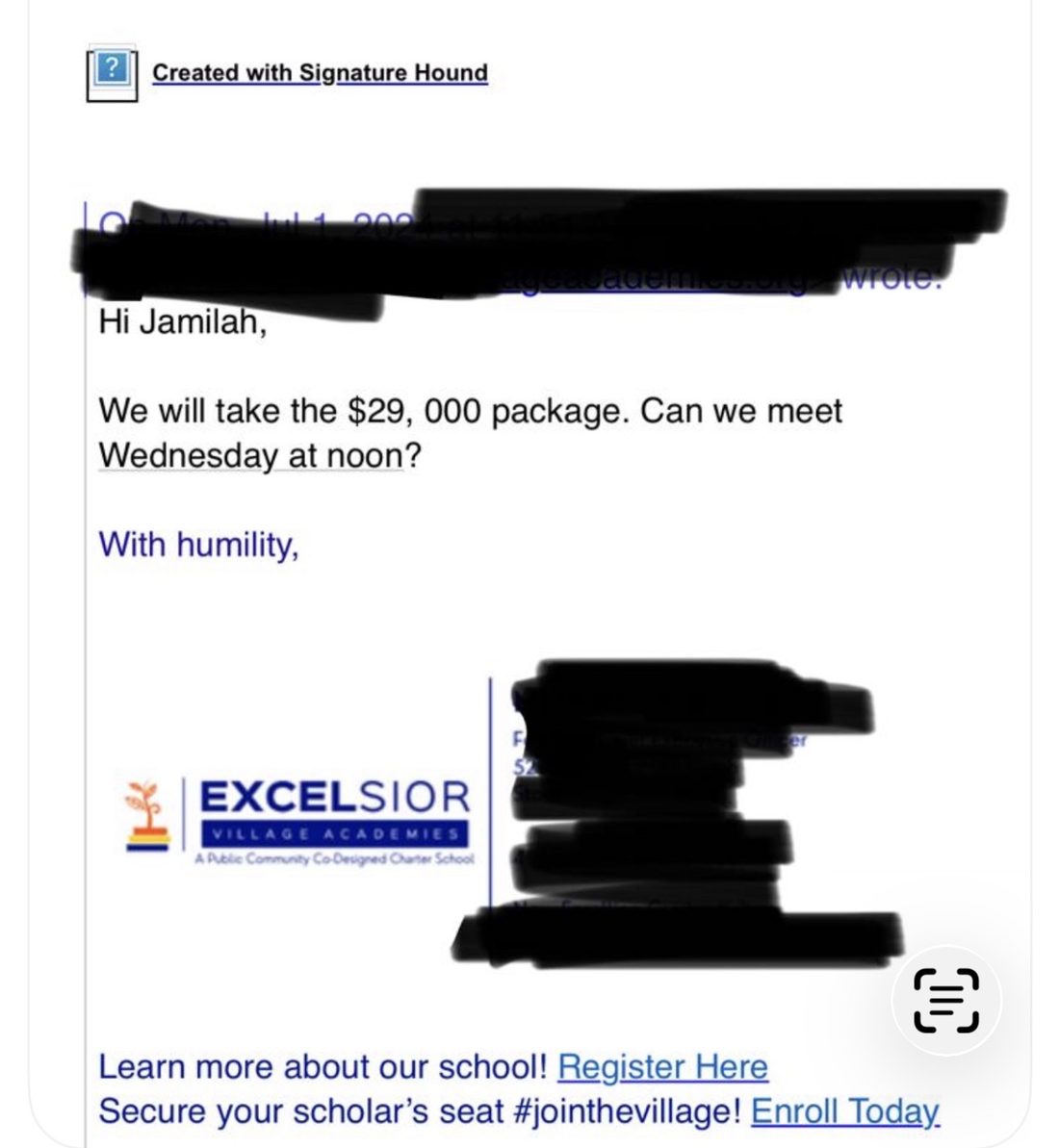
We will take the package. Can we meet Wednesday at noon?
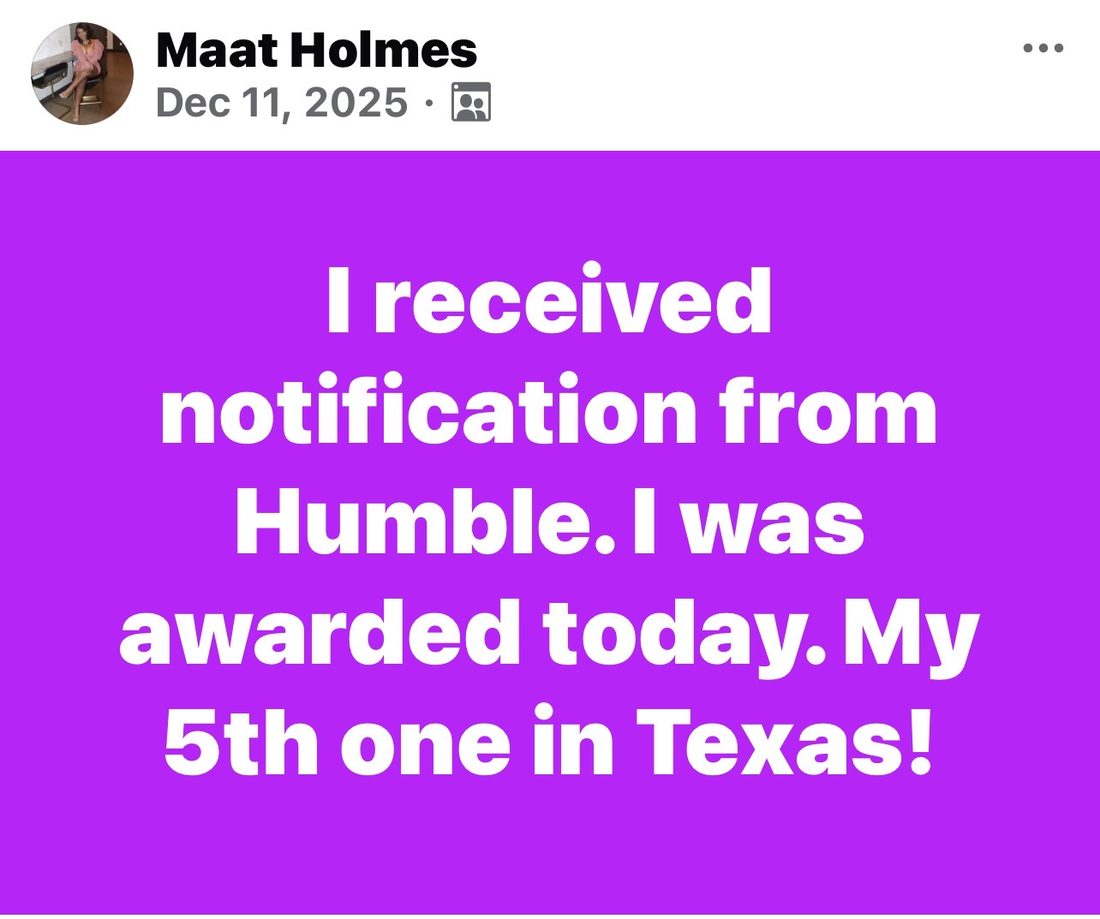
I received notification from Humble. I was awarded today. My 5th one in Texas.
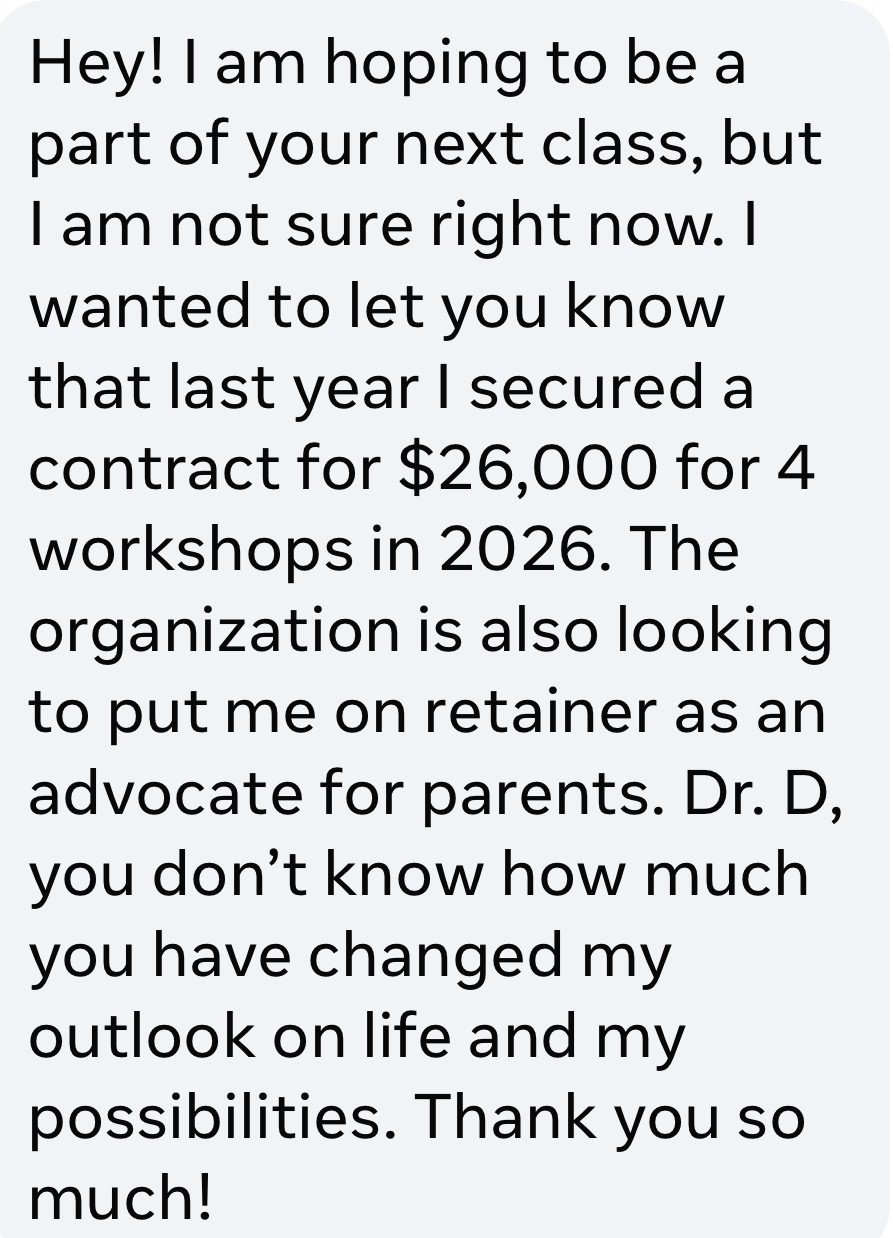
Last year I secured a contract for 4 workshops in 2026. The organization is also looking to put me on retainer.
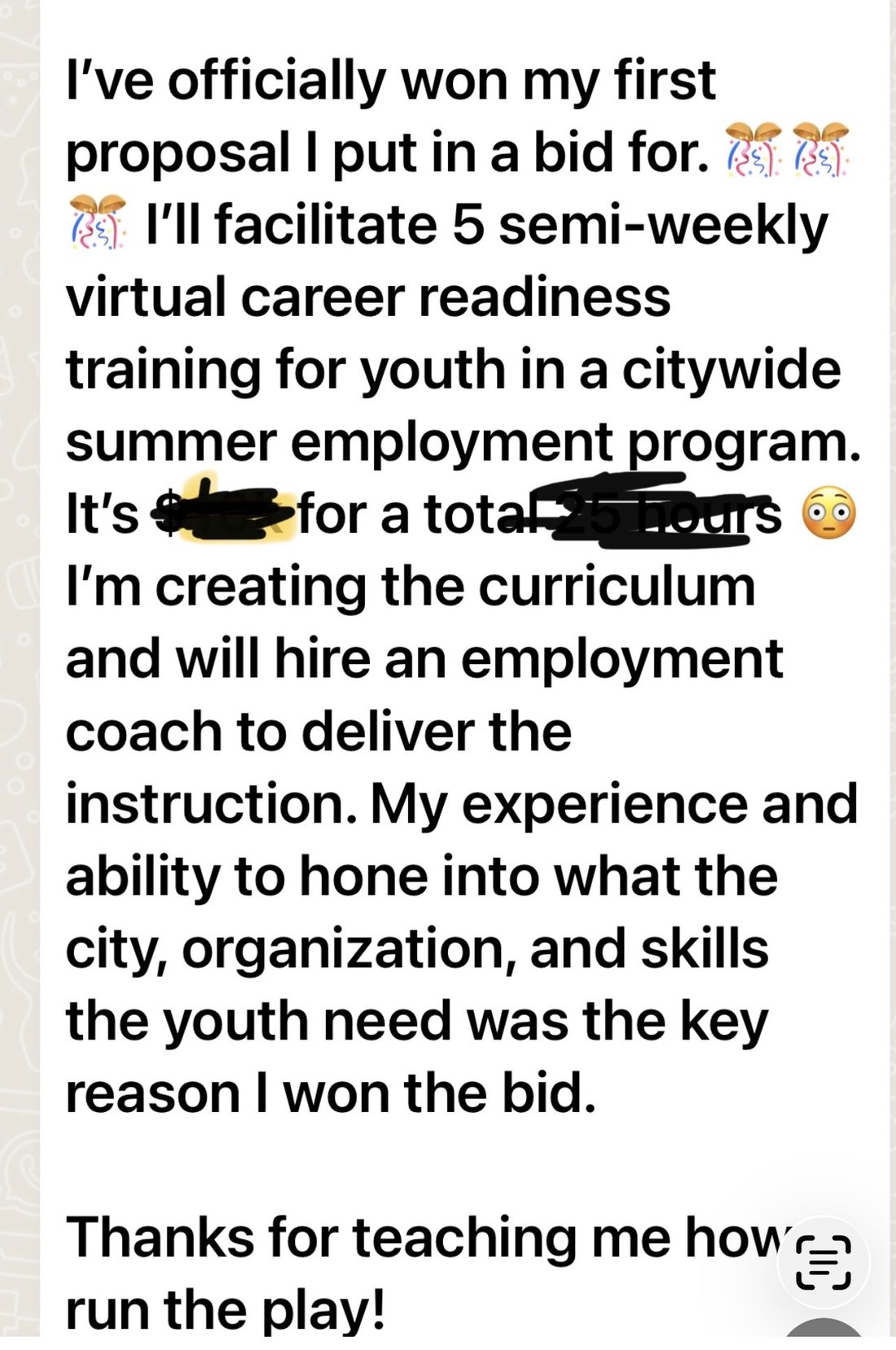
I've officially won my first proposal I put in a bid for. Five semi-weekly trainings in a citywide summer employment program.
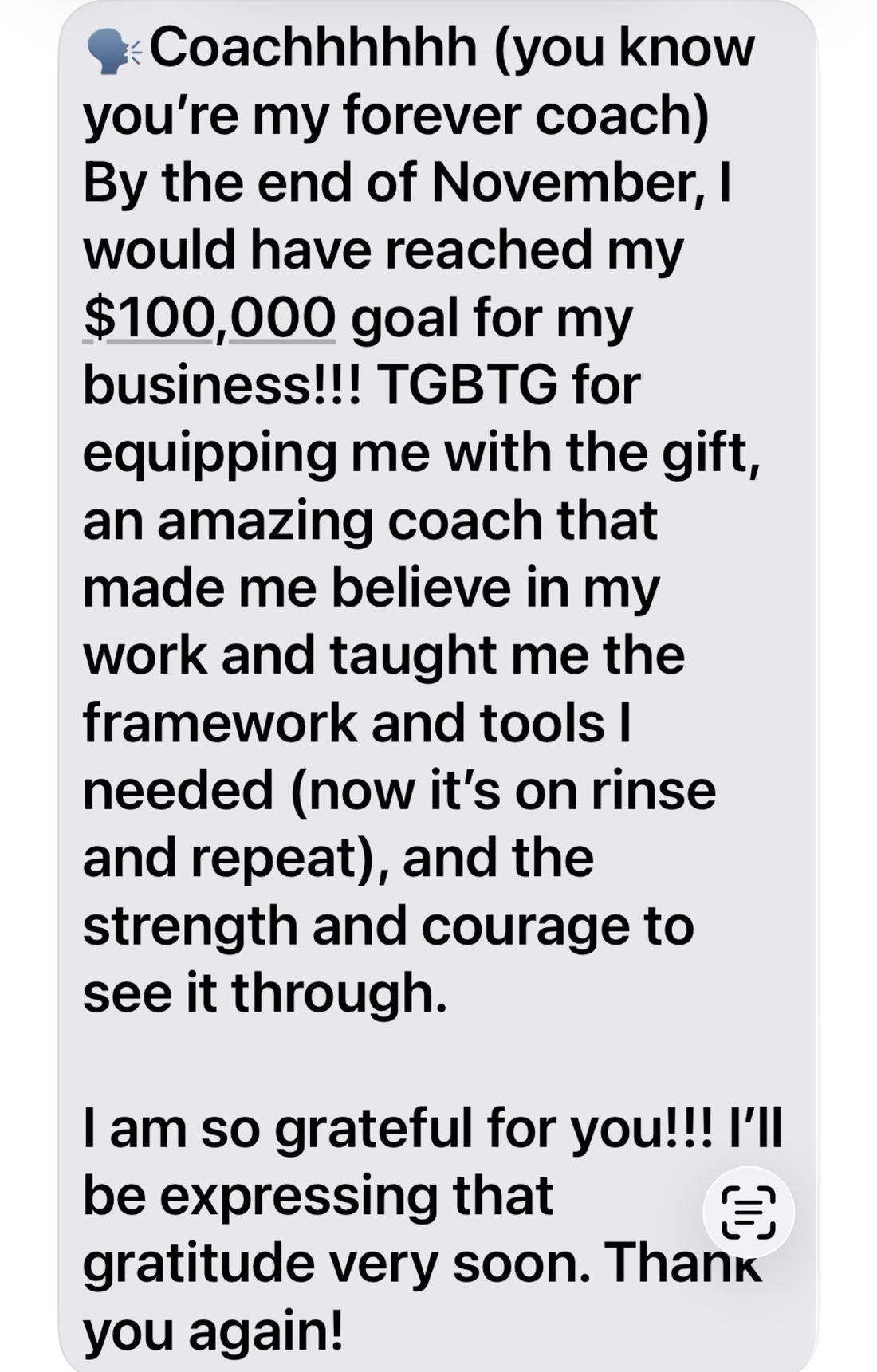
By the end of November I would have reached my goal for my business. Now it's on rinse and repeat.
They really helped me get clearer and more succinct about my services. I landed my first contract of the new school year.
The problem


You built the framework. You ran the intervention. You trained the teachers and got the results, and somewhere along the way somebody decided you were the person they called when it had to actually work.
And here is the truth, and I say it with love: nobody ever taught you how districts decide. Not because you were not paying attention. Because the people who know it are usually too busy using it to teach it.
So you send proposals into silence and you assume the silence means something about you.
It does not. When a district says no, it is almost never because they did not value the work. It is because they could not see the value it would bring.
That is a document problem. Document problems are fixable, and they are fixable fast.
What is on the table
By the time a district posts a request for proposals, the money is allocated. The need is documented. Someone upstairs already signed off that this work is happening this year.
They are not deciding whether to spend it. They are deciding who gets it.
And right now that is usually a firm with a full time proposal writer, bidding on work you know how to do better than they do. Not because they are more qualified. Because they know how the document gets scored and you were never shown.
One district contract can be worth more than a full season of day rates, and it is signed and on your books before you deliver a thing. Multi school. Multi year. Renewals that come back around without you bidding again.
That is when the income stops being feast or famine and you can plan a year instead of a month.
Your AI has closed zero. That is not a knock on the tool. That is the whole point.
Read this before you decide


About the tool everyone is using
This is not a knock on AI. I use it every day and it does the heavy lifting so I move faster than I ever could alone.
But AI cannot look at a bid and tell you whether it is winnable for you. It cannot read an RFP and tell you whether you answered the thing that actually gets scored. It cannot tell you which pot of money that district will pay you from, or which of the four people on the email chain can actually sign.
That part is judgment. It comes from having done it, over and over, until you can see it.
On August 29 I hand you the lens and let you use it on your own proposal.
You do not need a better writer.
You need to know what they are scoring.
This is not a webinar
You work on your own proposal, on your own screen, while I am there to tell you what I see.

The one in your drafts. The one that went out and never came back. The one AI helped you write. It does not need to be finished and it does not need to be good.
Not a sample. An actual one, the size you should be bidding on. I walk you through what is being scored, section by section.
This does not work as an explanation. You have to see the gap on your own page, in your own words. Most people find it inside twenty minutes.
Your buyer, their problem, the outcome they can fund, and the money it comes out of. Positioned for the contract, not polished for the reader.
Yours the moment you register
Read any district RFP and know in minutes whether it is a yes or a no. The four sections to check first, and the flags that say pursue or pass.
Seven honest questions to run before you commit real hours. Six or seven yeses, it is a go. Three or fewer, save the two weeks.
For every time you have heard "it is not in the budget." The streams districts actually use to pay consultants, and what each one covers.
Who signs, who recommends, and who just forwards. Plus the five contract tiers and where you should start.
Read this before you register
Before you ask
Bring anything. An old one, a half finished draft, a services page, even notes about what you offer. The work is learning to see what a district is scoring, and you can do that on any version of your own words.
Almost nobody feels ready the first time. The size of the contract is not about how experienced you are, it is about how the work is packaged. That is exactly what the District Ladder is for.
No. You work on your own screen. Nothing you bring is shown to anyone unless you raise your hand and ask for eyes on it.
The replay is yours either way. Honestly though, this one works best live, because the moment that changes things is finding the gap on your own page while I am there to explain what you are looking at.
No, and anyone who promises that is selling something else. You walk out with the reason the contracts have not come, and a proposal rebuilt to answer it. What happens next depends on how many bids you put it in front of.
No. If you have ever asked ChatGPT to write something, you know enough. This is about the judgment AI cannot give you, not the tool.
The two hours are the two hours. I have programs for people who want to keep going and I will mention them once at the end. If you never buy another thing from me, you still leave with your proposal rebuilt and all four resources.
Saturday, August 29 · 10:00a CT
Two hours live on Zoom · Replay included · All four resources yours at registration
Save my seat — $100Flat. No upsell to get in the door.